
Get Residential Roof Replacement
Residential roof replacement services involve local contractors handling projects to replace or repair damaged, aging, or leaking roofs, ensuring durability and property protection.
If you’re considering a residential roof replacement, you’re in the right place to explore your options. Property owners often look into roof replacements to enhance the safety, durability, and overall value of their homes. Whether due to age, weather-related wear, or the need for a fresh appearance, many find that replacing a roof is a practical step in maintaining and protecting their property. By comparing local contractors, you can find experienced service providers who understand the specific needs of homes in your area.
Continuing with your project involves evaluating the available local options to ensure you choose the right partner for your roof replacement. A variety of service providers can assist with planning and executing the work, helping you make informed decisions that align with your property’s requirements. Keep reading to discover how connecting with local contractors can support your project and provide the expertise needed to complete the job effectively.
- Full roof replacement - needed when a roof has extensive damage or aging that cannot be repaired effectively.
- Shingle roof replacement - suitable for homeowners with asphalt shingle roofs showing signs of deterioration or leaks.
- Tile roof replacement - required when tile roofs are cracked, broken, or no longer provide adequate protection.
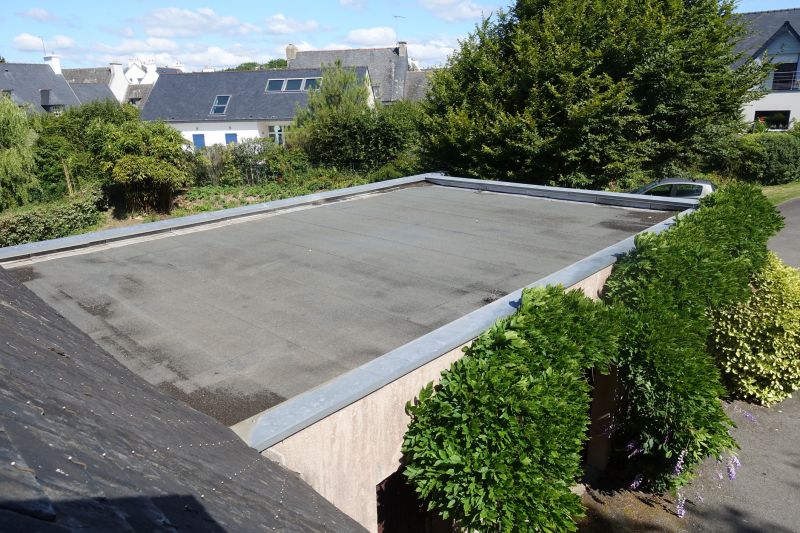
- Flat roof replacement - necessary for commercial or residential buildings with flat roofing systems experiencing leaks or structural issues.
- Emergency roof replacement - needed after severe weather events or accidents cause significant roof damage requiring urgent attention.
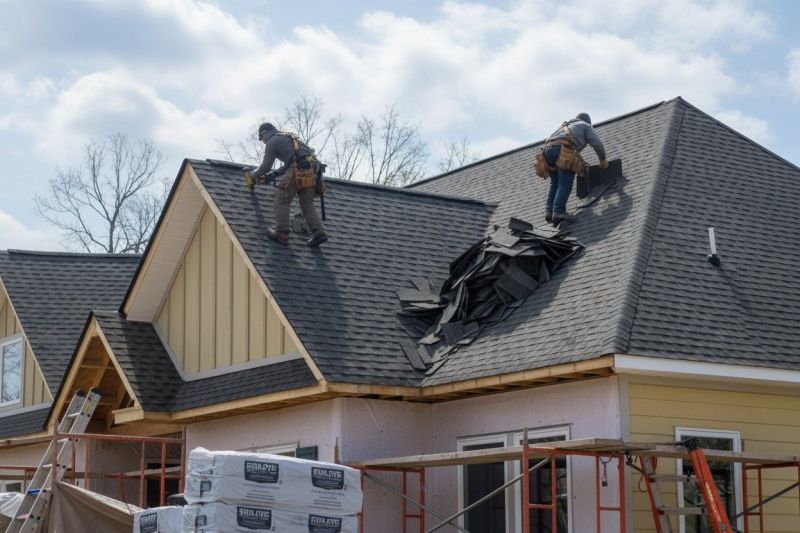
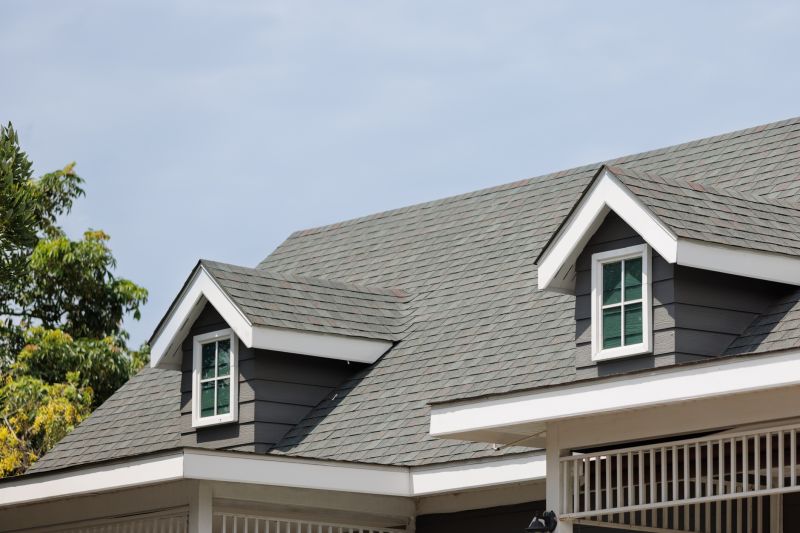
Residential roof replacement services involve removing an existing roof and installing a new roofing system on a home. This process typically includes inspecting the current roof, removing damaged or outdated materials, and carefully installing new shingles, tiles, or other roofing options. The goal is to ensure the home remains protected from weather elements while improving its overall appearance and structural integrity. Experienced service providers focus on proper installation techniques to maximize the lifespan of the new roof and provide homeowners with a durable, long-lasting solution.
This service helps solve common roofing problems such as extensive damage from storms, leaks, or aging materials that no longer provide adequate protection. Over time, roofs can develop issues like curling shingles, missing tiles, or widespread wear that compromise the home's safety and energy efficiency. Replacing a roof can prevent further damage to the underlying structure, reduce the risk of costly repairs, and improve the home's curb appeal. Homeowners often consider roof replacement when repairs become frequent or when the existing roof approaches the end of its expected lifespan.
Residential roof replacement is frequently used on a variety of property types, including single-family homes, townhouses, and multi-family residences. It is suitable for homes with aging roofs that show signs of deterioration or damage, as well as properties undergoing renovations or upgrades. Whether a house has a traditional shingle roof, tile, or other materials, local contractors can provide tailored solutions that meet the specific needs of each property. This service is also common in neighborhoods where homes are aging or where new roofing styles are desired to enhance the property's appearance.
Homeowners should consider roof replacement when they notice visible damage, leaks, or a significant increase in energy bills due to poor insulation. Additionally, if the roof has experienced recent severe weather events or if it has exceeded its expected lifespan, replacing it can be a practical step toward safeguarding the home. By working with experienced local service providers, homeowners can ensure the job is done correctly, helping to maintain the property's value and protect it from future issues. Contacting local pros can provide the expertise needed to determine if a roof replacement is the right solution for a specific property.
The overview below groups typical Residential Roof Replacement projects into broad ranges so you can see how smaller, mid-sized, and larger jobs often compare in your area.
In many markets, a large share of routine jobs stays in the lower and middle ranges, while only a smaller percentage of projects moves into the highest bands when the work is more complex or site conditions are harder than average.
Smaller Repairs - minor roof repairs typically cost between $250 and $600, covering small patch jobs or minor shingle replacements. Many routine repairs fall within this range, though costs can vary based on roof size and materials.
Partial Replacement - replacing a section of a roof usually ranges from $1,000 to $3,500, depending on the area and complexity of the work. Larger or more complex partial replacements can push beyond this range but are less common.
Full Roof Replacement - complete roof replacements generally cost between $5,000 and $15,000 for most homes, with larger or high-end materials increasing the price. Many projects land in the middle of this range, while high-end jobs are less frequent.
Complex or Large-Scale Projects - extensive or intricate roof replacements can exceed $20,000, especially for larger homes or complex designs. Such projects are typically less common and involve higher material and labor costs.
Actual totals will depend on details like access to the work area, the scope of the project, and the materials selected, so use these as general starting points rather than exact figures.
Attic Insulation Installation - This project involves planning and executing insulation upgrades that improve energy efficiency, similar to the preparation needed for roof replacements.
Gutter Replacement and Repair - Replacing or repairing gutters requires similar skills in working at heights and understanding roofing structures as residential roof replacement projects.
Siding Installation and Repair - Installing or repairing siding involves planning and using tools comparable to those used in roofing projects, ensuring proper weatherproofing and aesthetics.
Skylight Installation - Installing skylights requires precise planning and working with roofing materials, which aligns with the skills needed for roof replacement services.
Roof Leak Detection and Repair - Identifying and fixing leaks involves inspection and repair techniques that are foundational to complete roof replacements.
Deck and Balcony Construction - Building or renovating outdoor structures on homes involves structural planning and working with roofing elements, similar to residential roof replacement work.
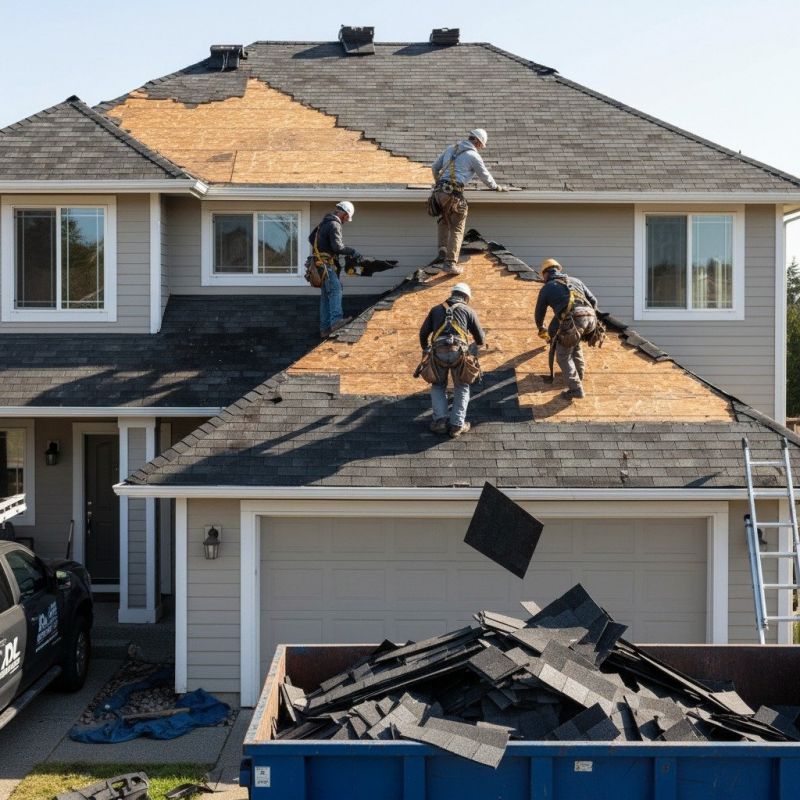
When comparing service providers for residential roof replacement, it’s important to consider their experience with similar projects. Homeowners should seek out local contractors who have a proven track record of handling roof replacements comparable in size and style to their own home. A contractor’s familiarity with local building codes, climate conditions, and common roofing materials can contribute to a smoother process and a more reliable outcome. Asking for details about past projects that resemble the scope and complexity of the work can help gauge their expertise and confidence in managing the specific requirements of the job.
Clear, written expectations are essential when evaluating local pros for roof replacement services. Homeowners should look for providers who can offer detailed proposals outlining the scope of work, materials to be used, and any warranties or guarantees associated with the project. Having this information in writing helps ensure everyone is aligned on the project’s deliverables and reduces the risk of misunderstandings or surprises down the line. It’s also beneficial to clarify communication channels and how updates will be provided throughout the project to maintain transparency and accountability.
Reputable references and good communication are key indicators of a trustworthy service provider. Homeowners should ask for references from recent clients who had similar work done, and follow up to learn about their experiences. This can provide insight into the contractor’s professionalism, reliability, and quality of work. Additionally, effective communication from the local contractor-such as prompt responses to questions and clear explanations of the process-can make the entire project more straightforward. While the site introduces homeowners to local options, it’s important to remember that the actual work is handled by the service providers themselves, not the platform.
Property owners use Residential Roof Replacement services for practical projects around their homes and businesses. This guide focuses on everyday jobs and straightforward project options.
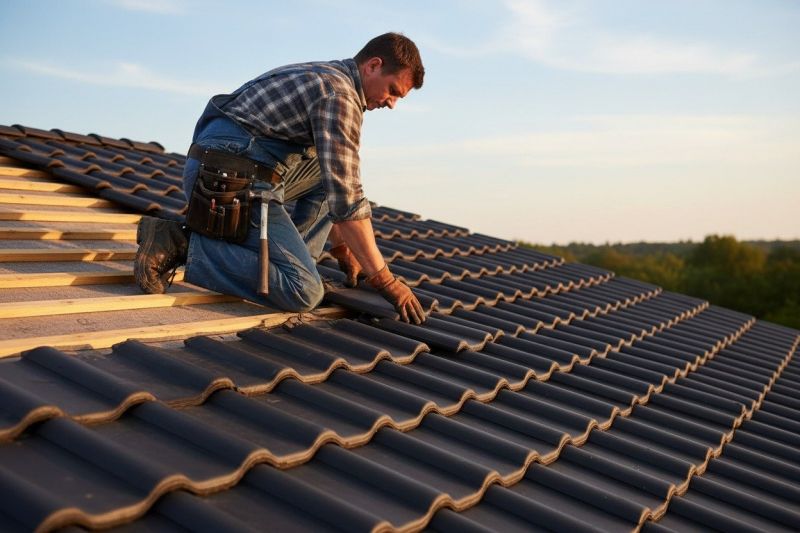
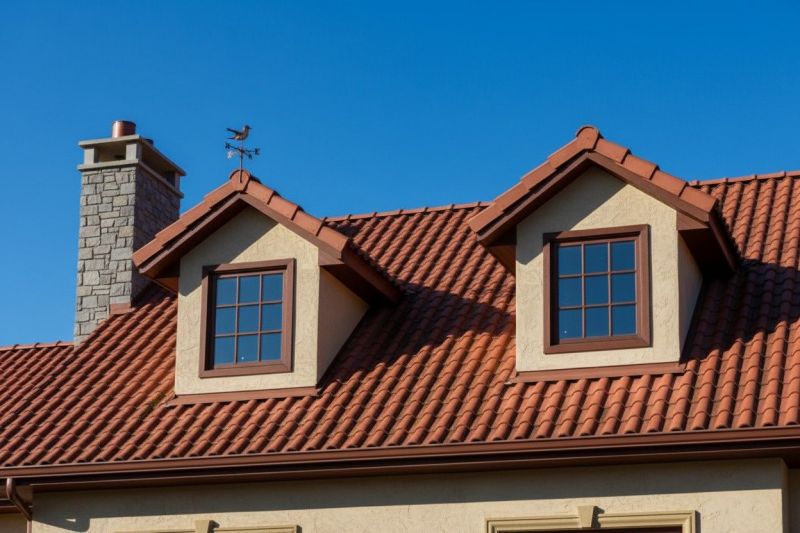
Residential roof replacement is often needed when property owners notice signs of aging or damage, such as leaks, missing shingles, or extensive wear. In many cases, homeowners seek out local contractors to evaluate their roofs after severe weather events or when routine inspections reveal issues that could lead to further damage. These projects might also be prompted by the desire to improve curb appeal or to ensure the home’s structure remains protected against the elements.
Property owners in the area might look for roof replacement services due to longstanding wear from sun exposure, wind, or rain, which can weaken roofing materials over time. Additionally, older roofs may no longer meet current standards or aesthetic preferences, prompting a replacement. Local service providers can assist with these projects, offering solutions tailored to the specific needs of homes in the community.
What are signs that a roof needs replacement? Common indicators include missing or damaged shingles, persistent leaks, excessive aging, and visible wear or deterioration on the roof surface.
How do I know if my roof is suitable for replacement? A professional contractor can assess the condition of the existing roof and determine if replacement is necessary based on its age, damage, and overall integrity.
What types of roofing materials are available for replacement? Local service providers typically offer a variety of options, such as asphalt shingles, metal roofing, tile, and slate, to match different preferences and needs.
Can a roof replacement be coordinated with other home improvements? Yes, many contractors can handle multiple projects simultaneously or suggest timing that minimizes disruption to existing home renovations.
What should I consider when choosing a contractor for roof replacement? It's important to review their experience, reputation, and the quality of materials they use, as well as ensuring they follow proper installation practices.
Assessing Roof Condition - Property owners can use this service to evaluate whether their existing roof needs replacement due to age, damage, or wear.
Upgrading Roof Materials - Homeowners may explore options for modern or more durable roofing materials to enhance their property's appearance and longevity.
Preparing for Storms or Weather Events - Residents can plan for potential roof replacement if recent storms have caused damage or increased concern about roof integrity.
Enhancing Energy Efficiency - Property owners might consider a roof replacement to improve insulation and reduce energy costs through better roofing solutions.
If you are thinking about Residential Roof Replacement for a property, this guide is meant to help you understand the work, the typical project types, and how different options might fit your plans.
When you are ready, you can use the quote form on this page to share a few details about your project. From there, local pros can review the basics and respond with options that match what you have in mind.